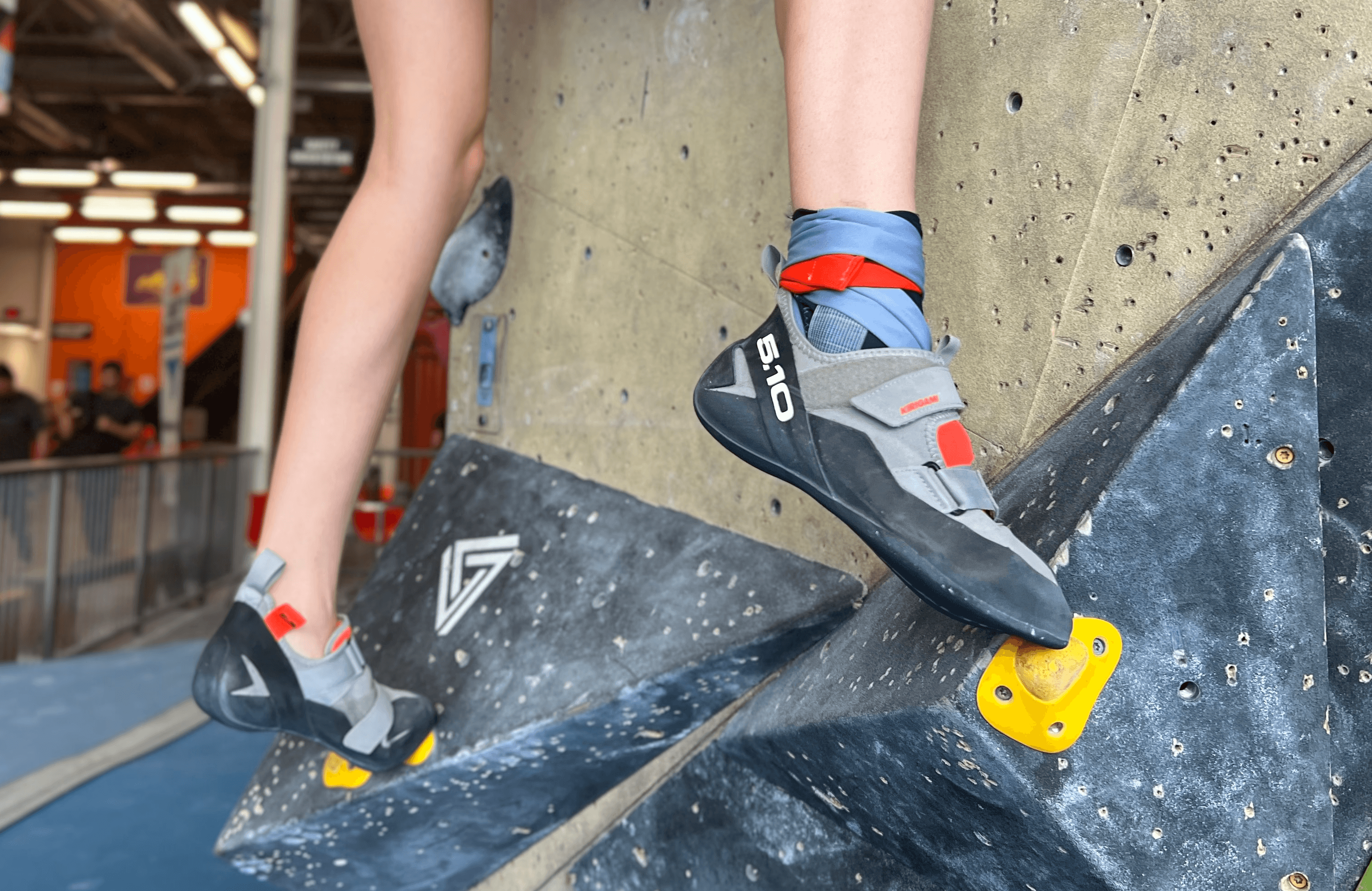
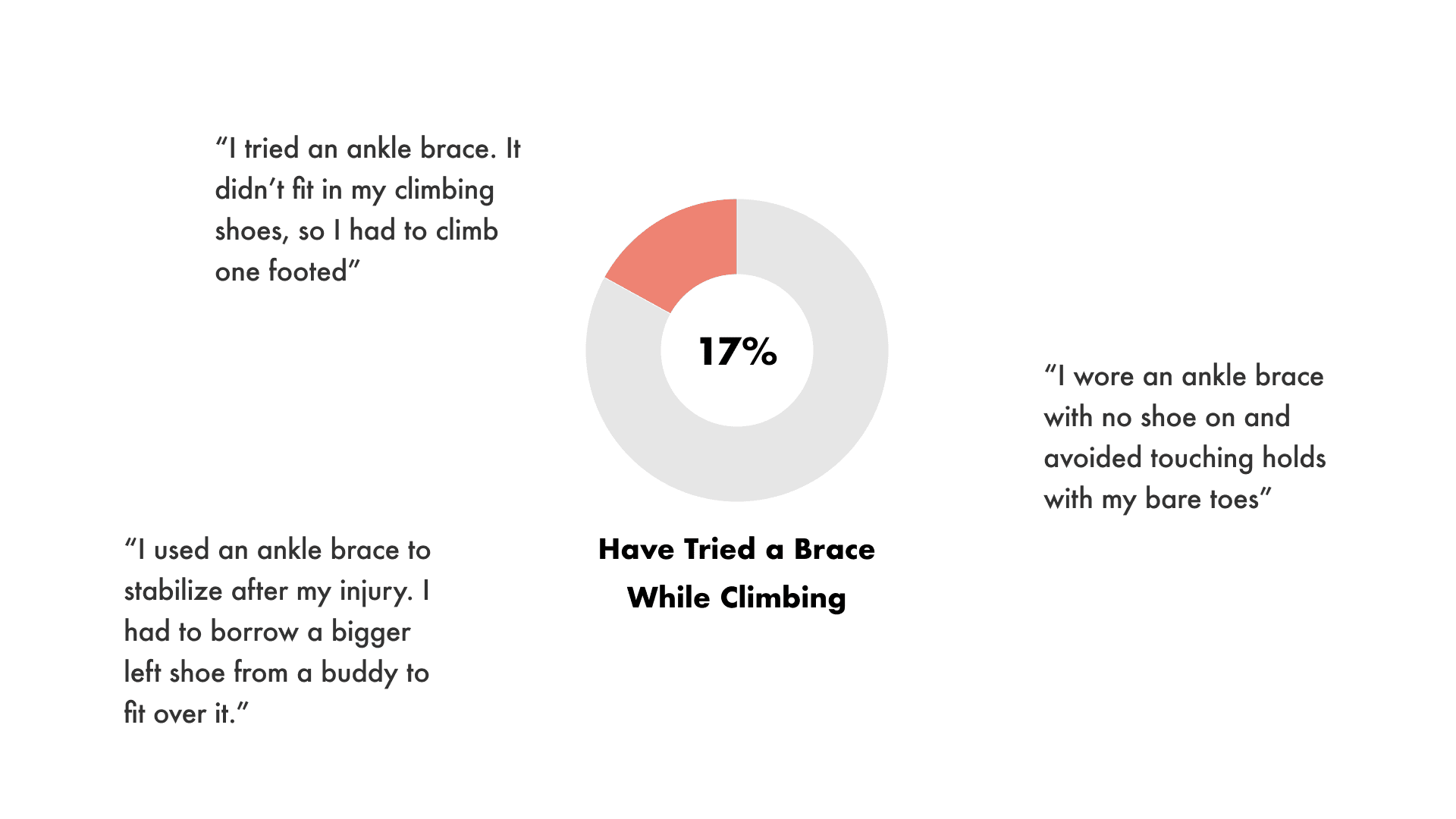
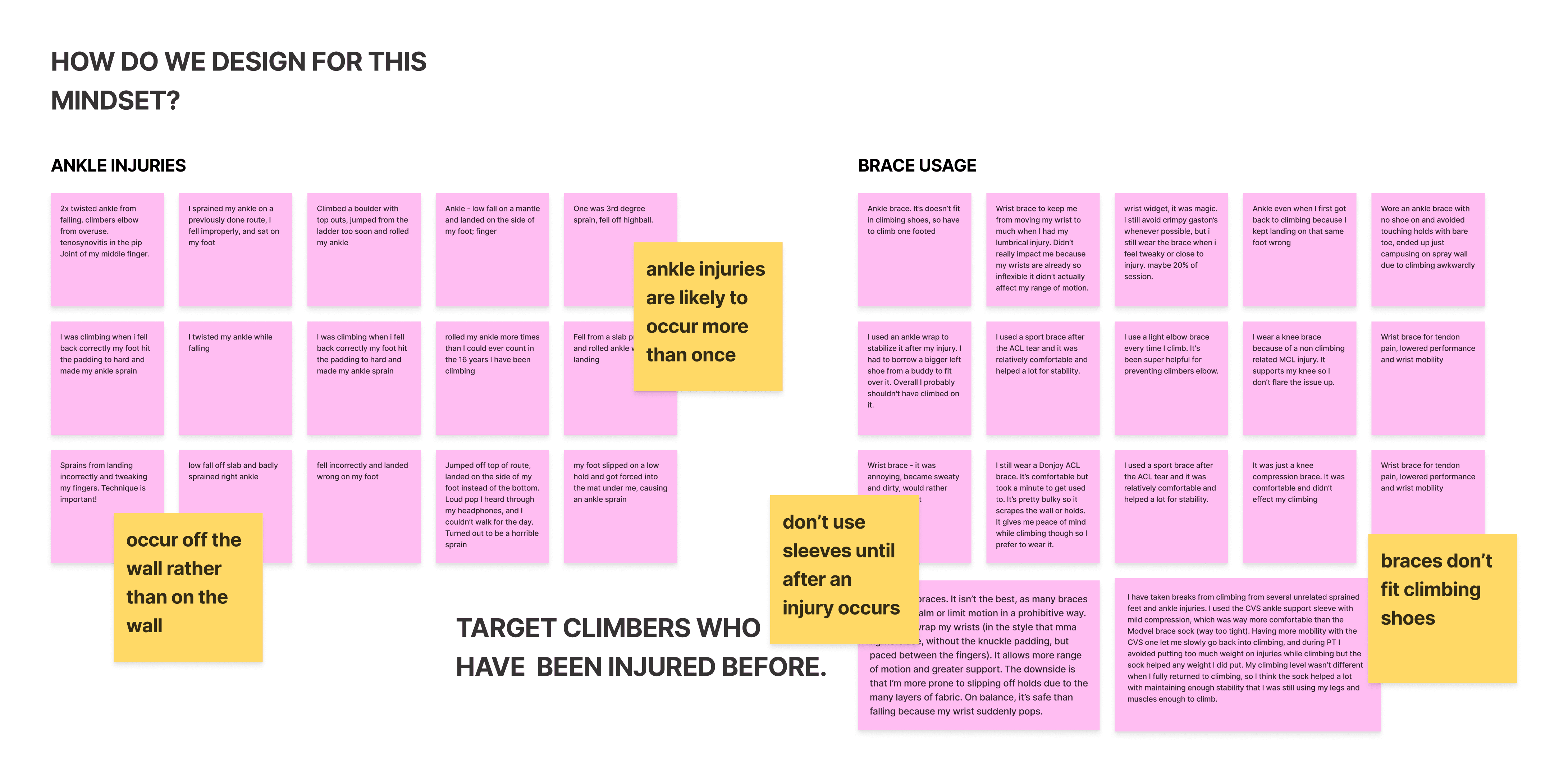
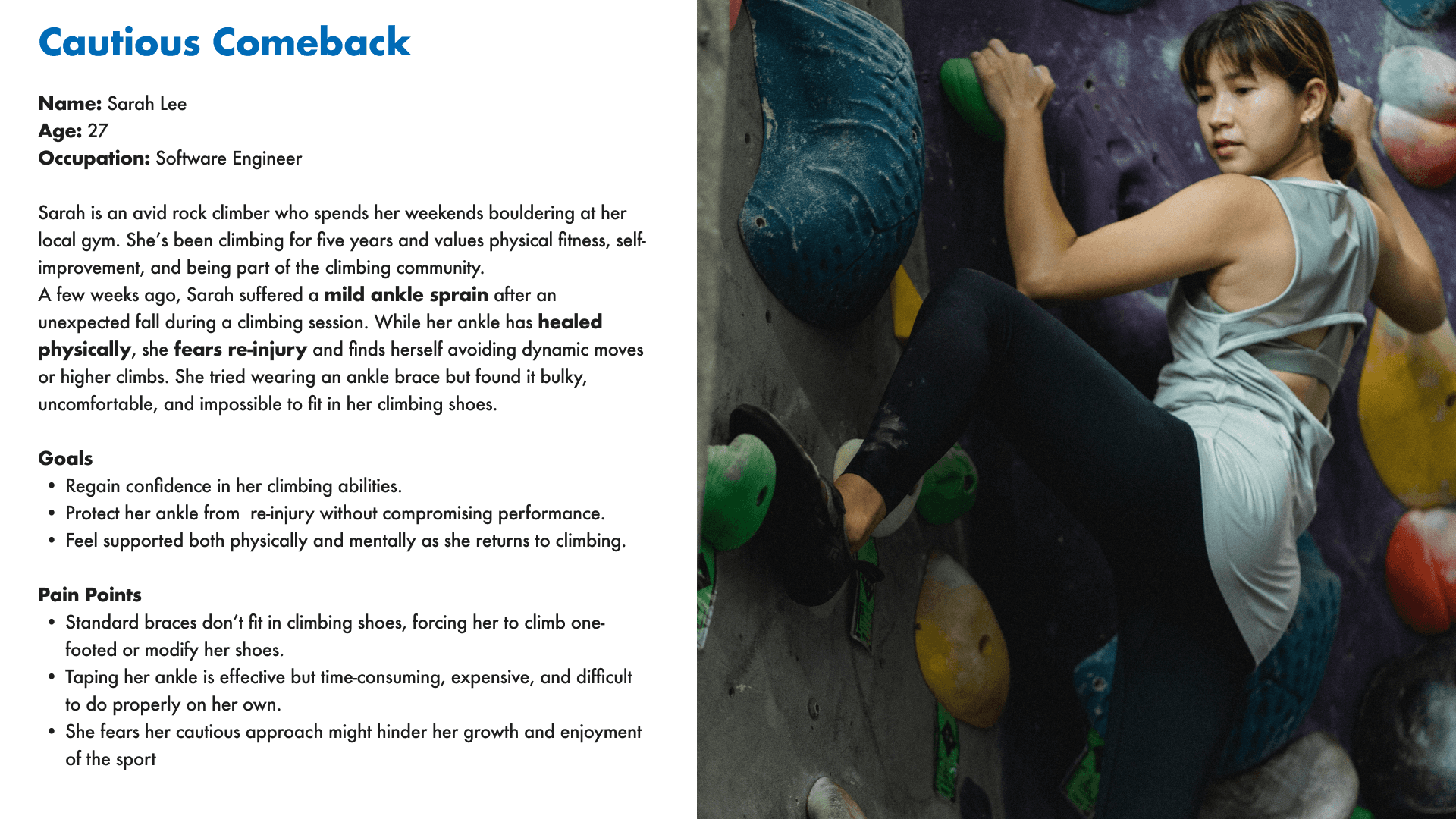
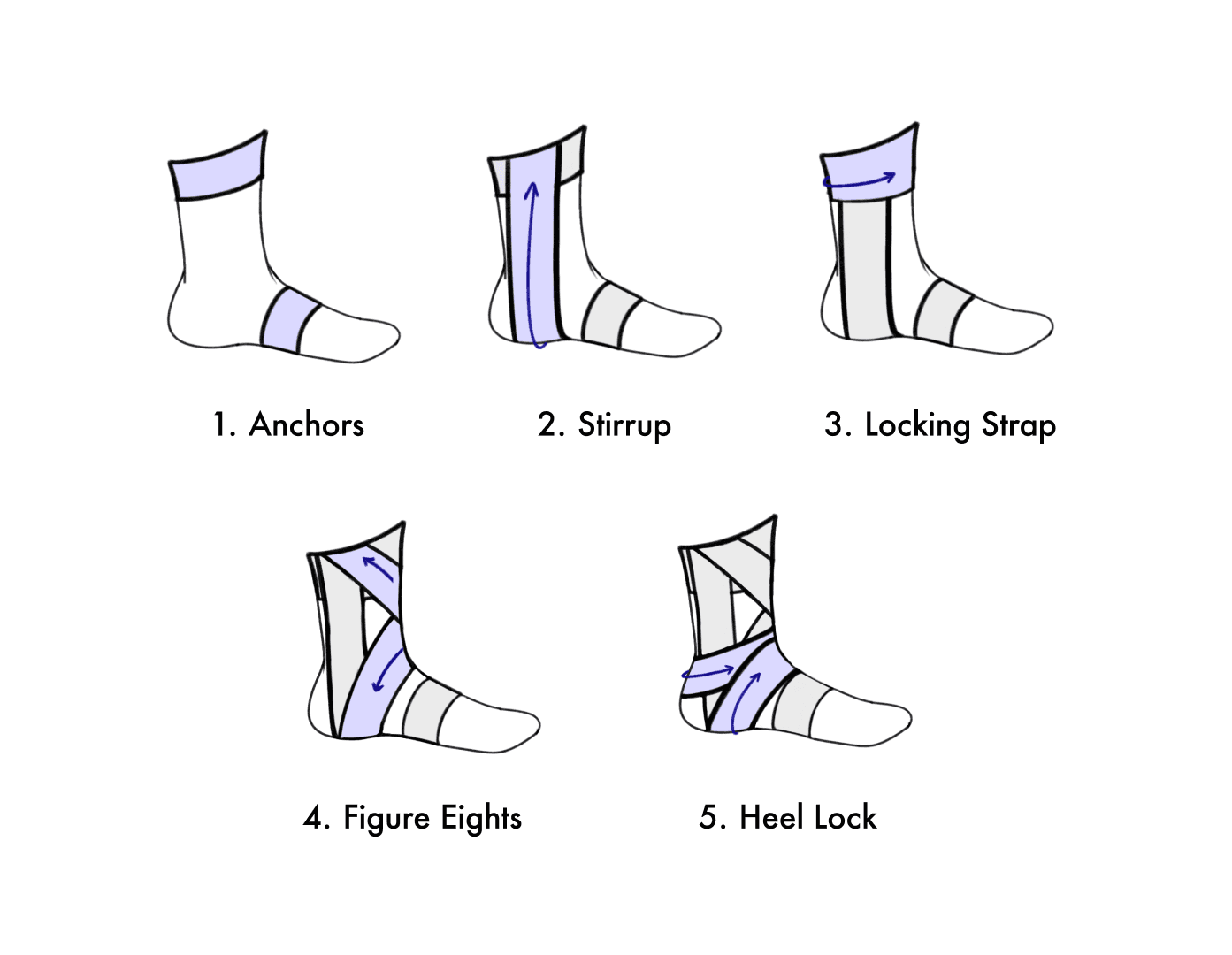
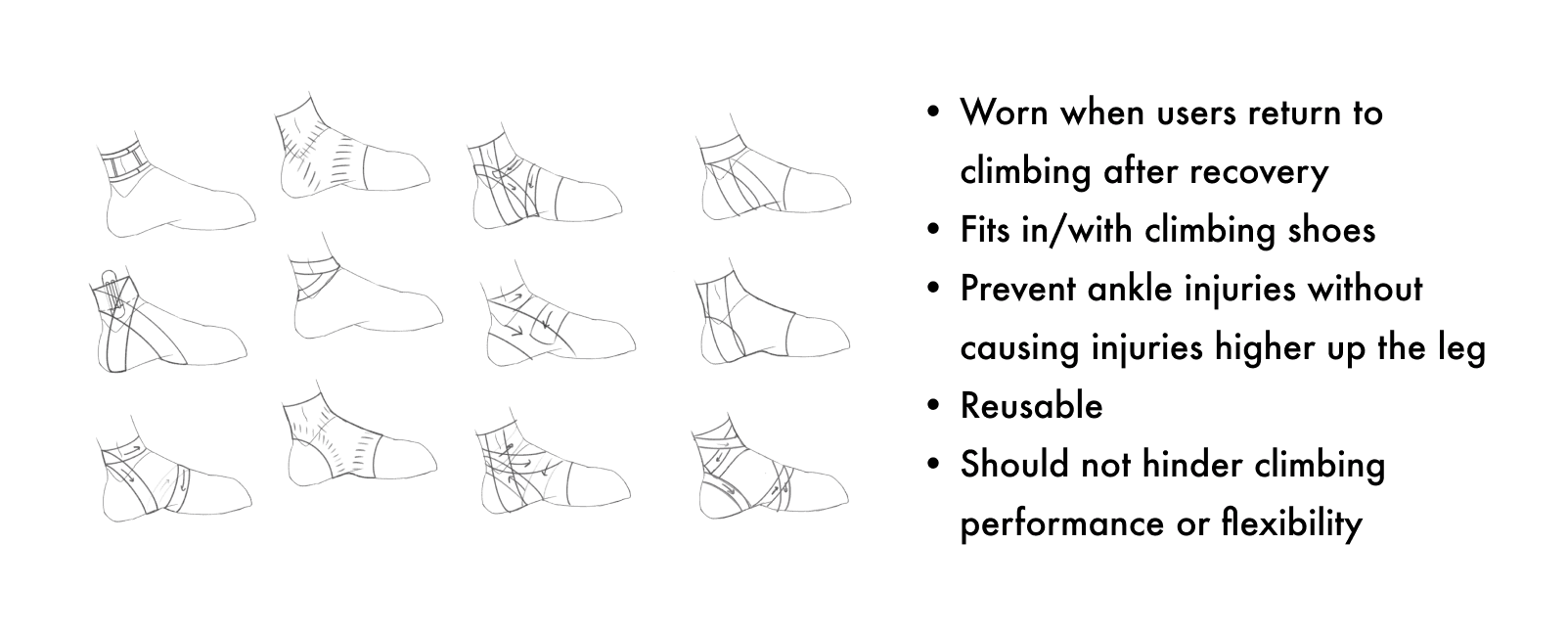
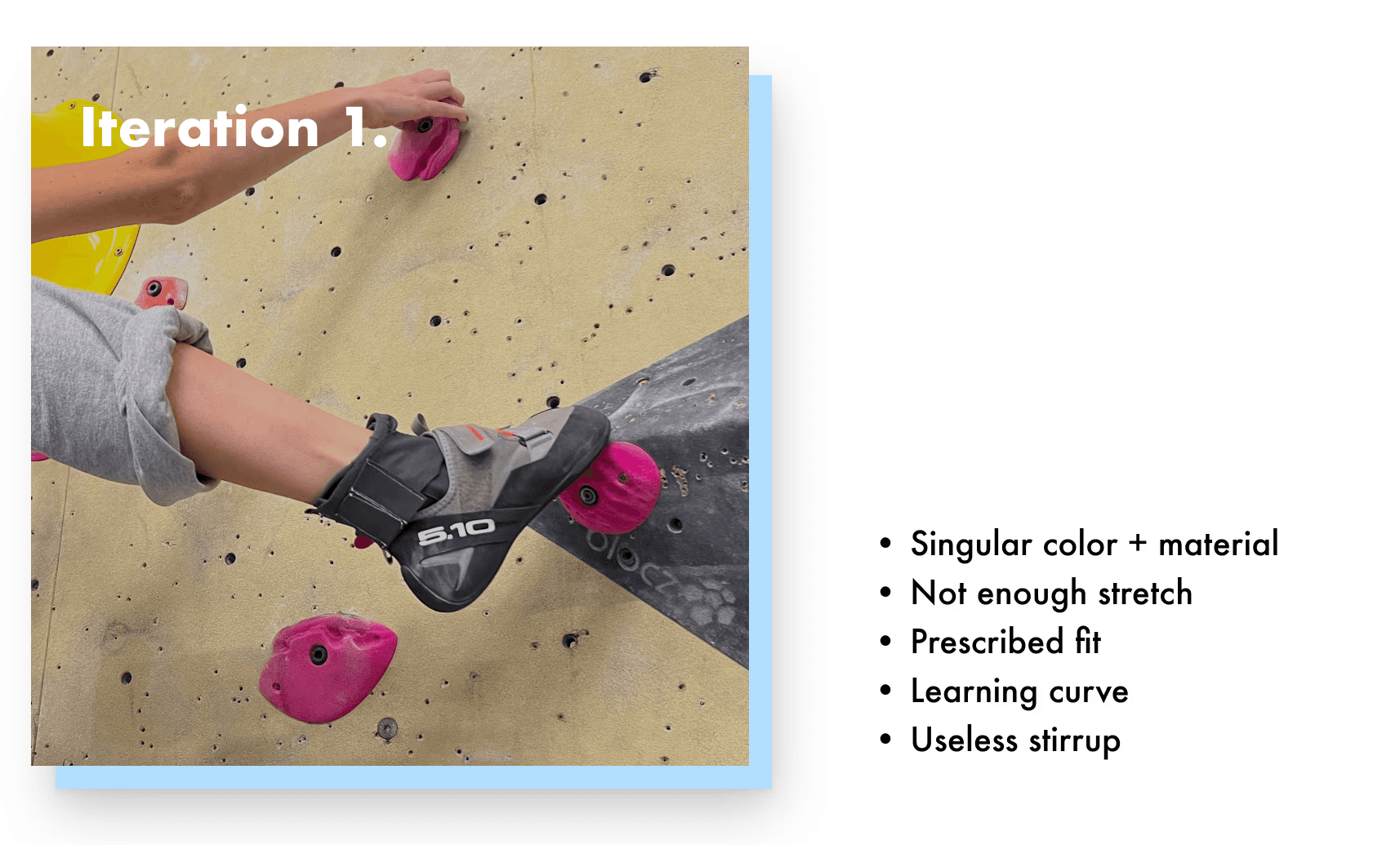
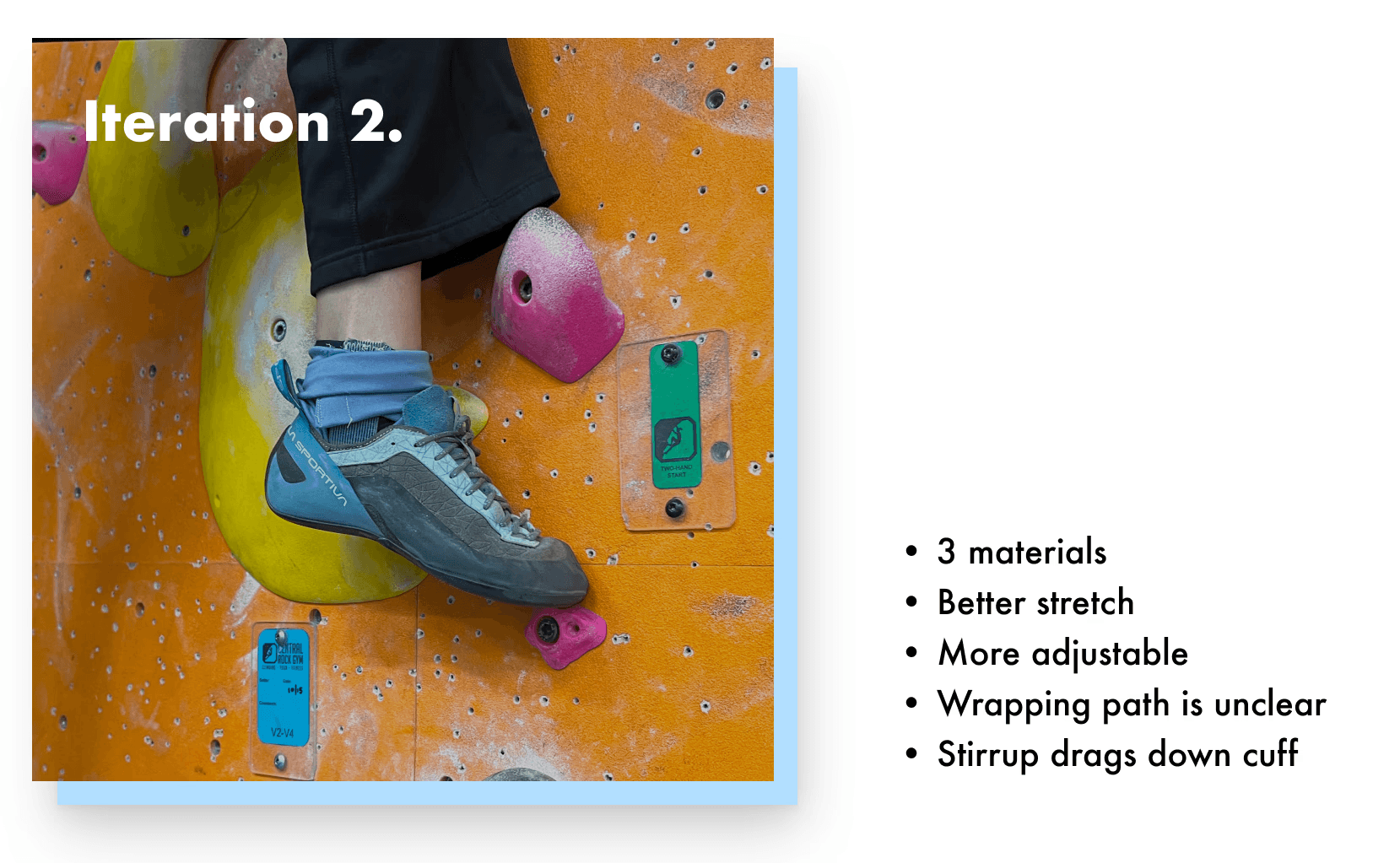
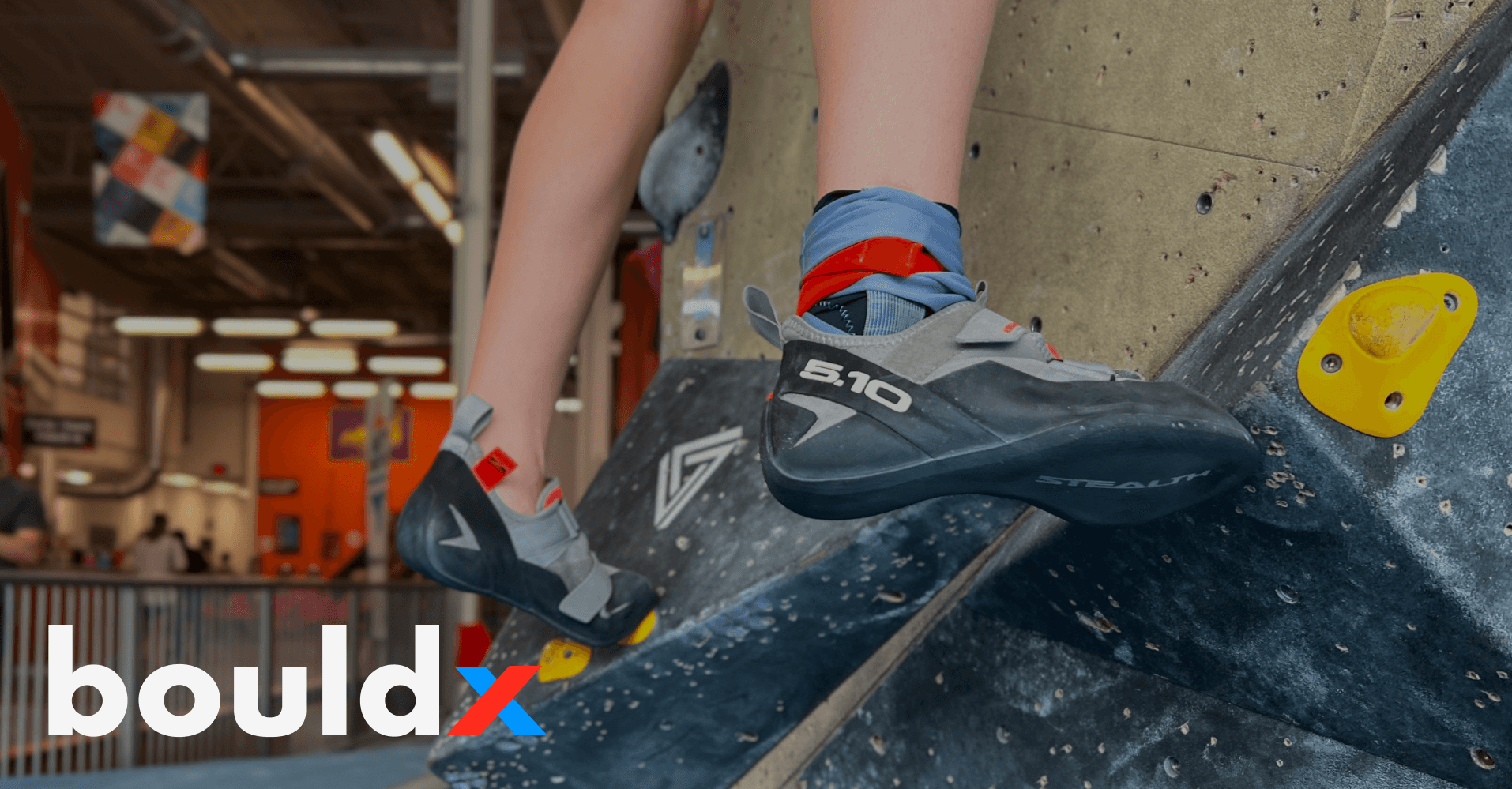
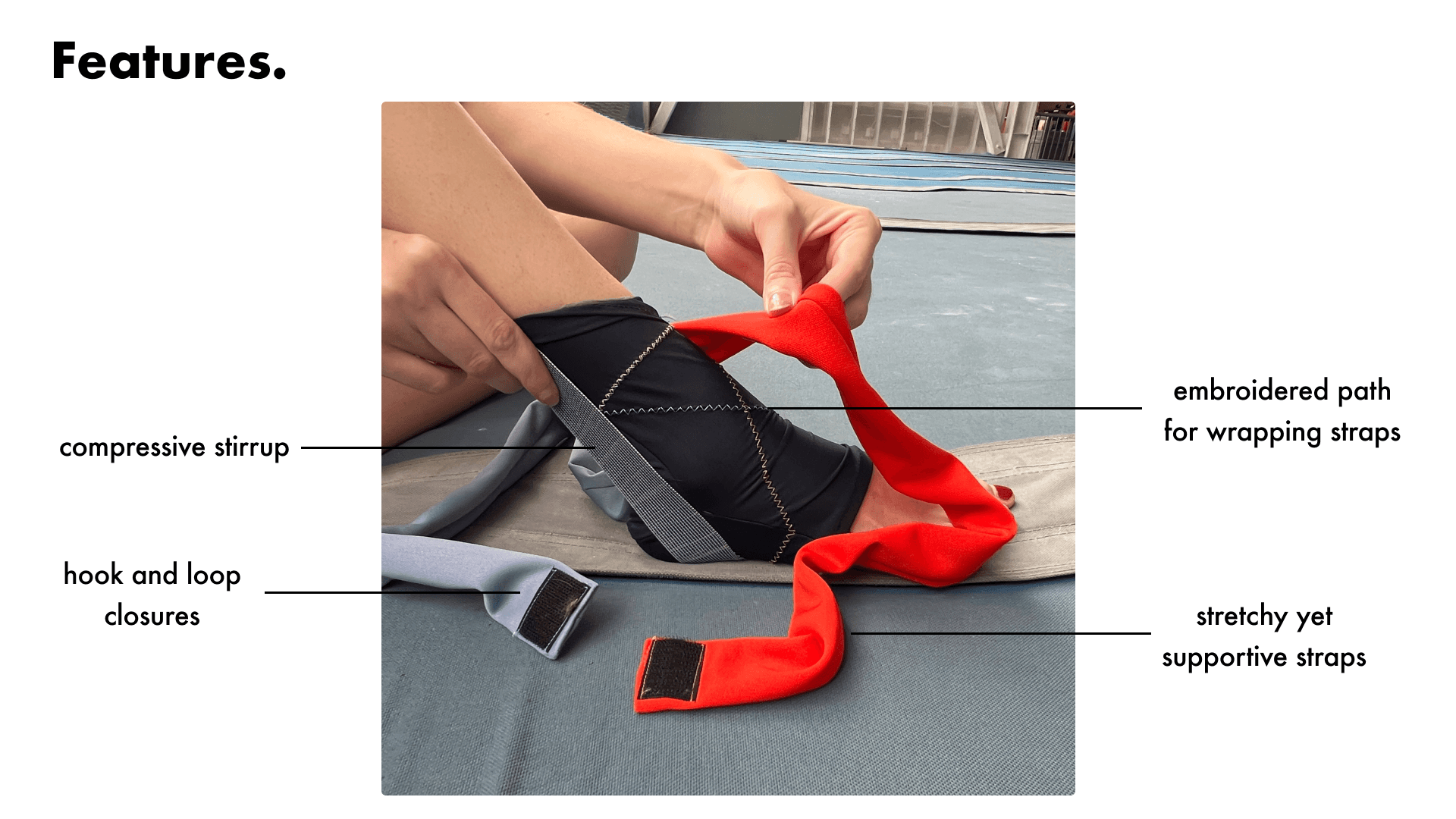
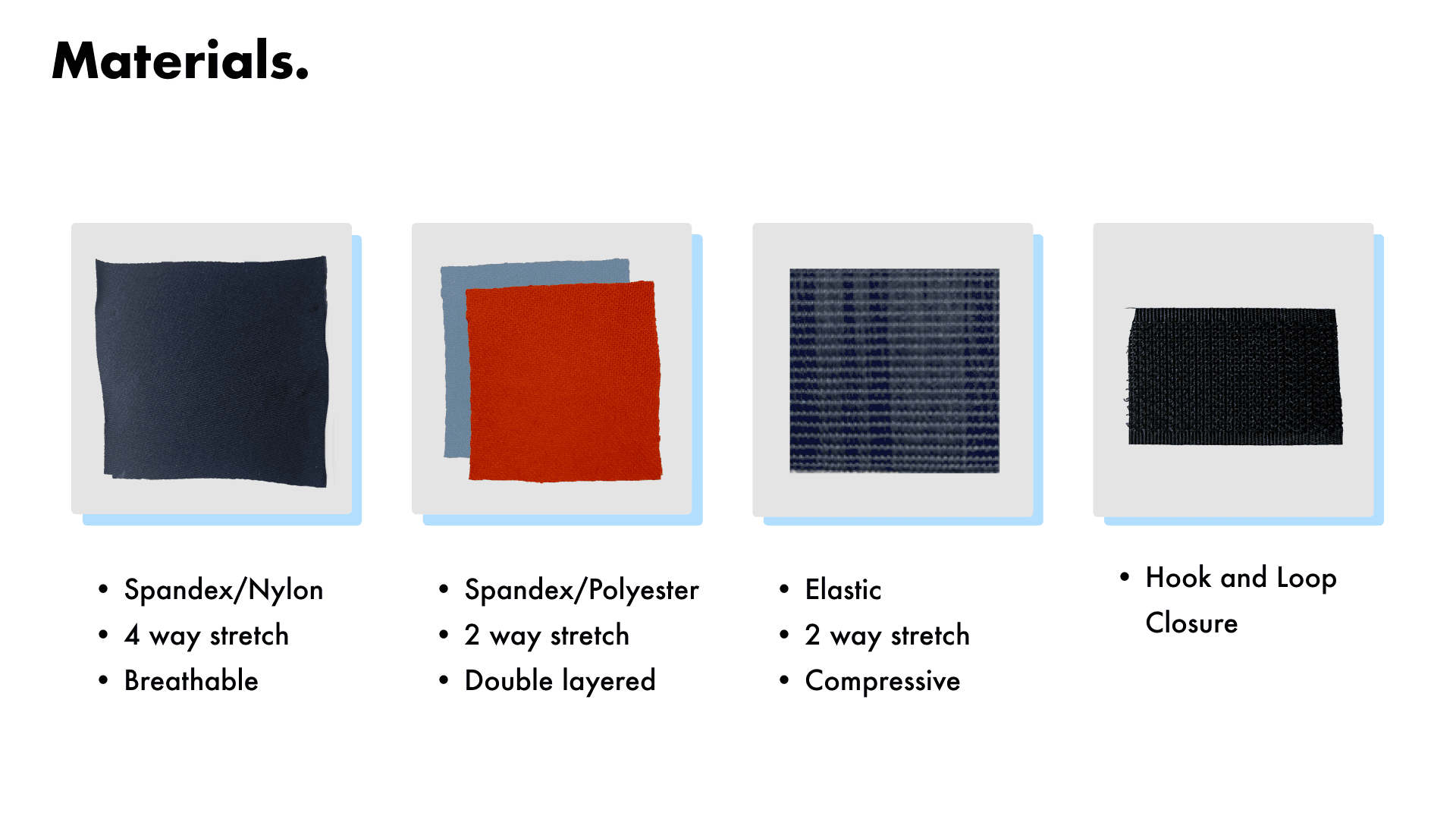
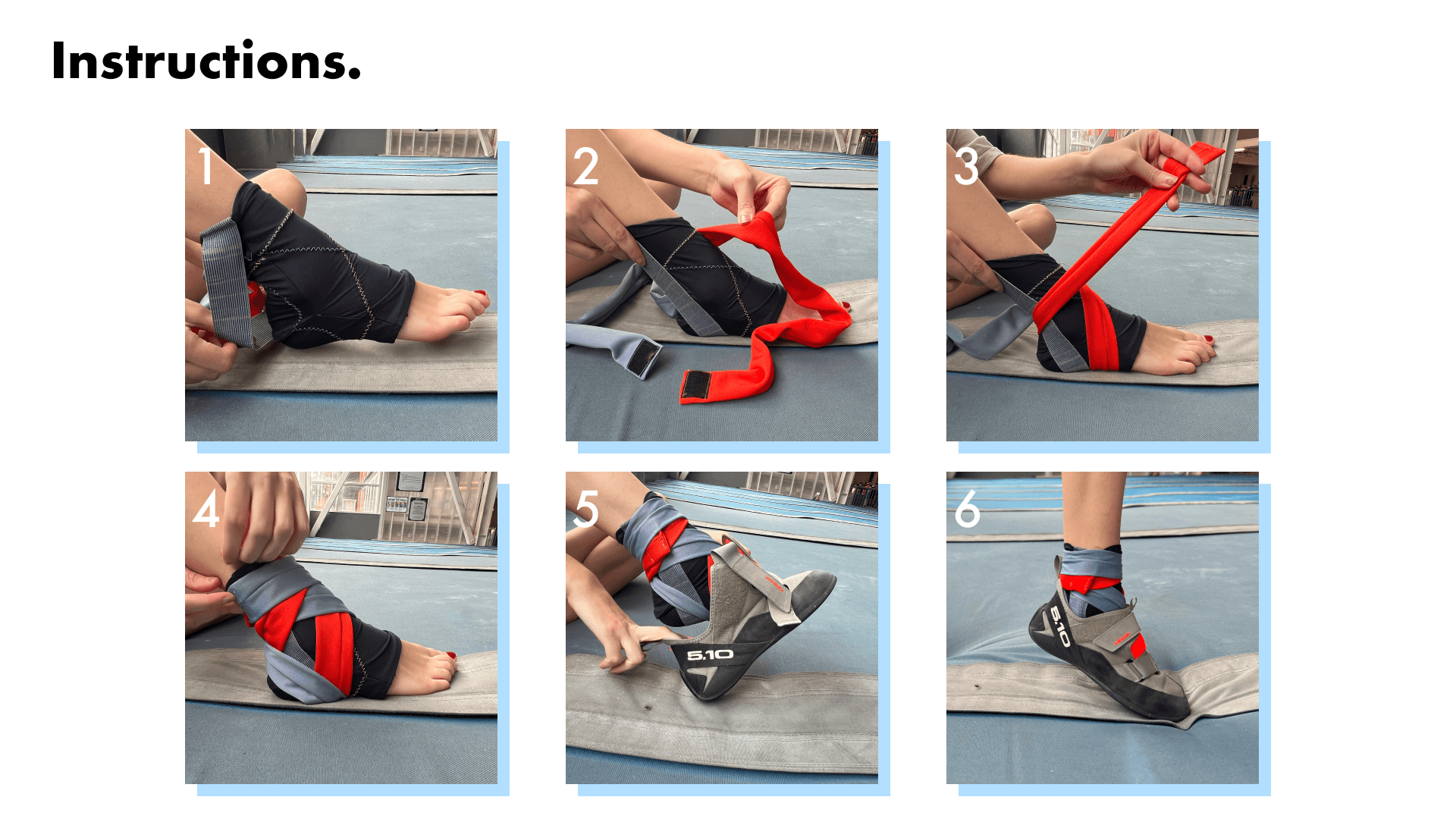
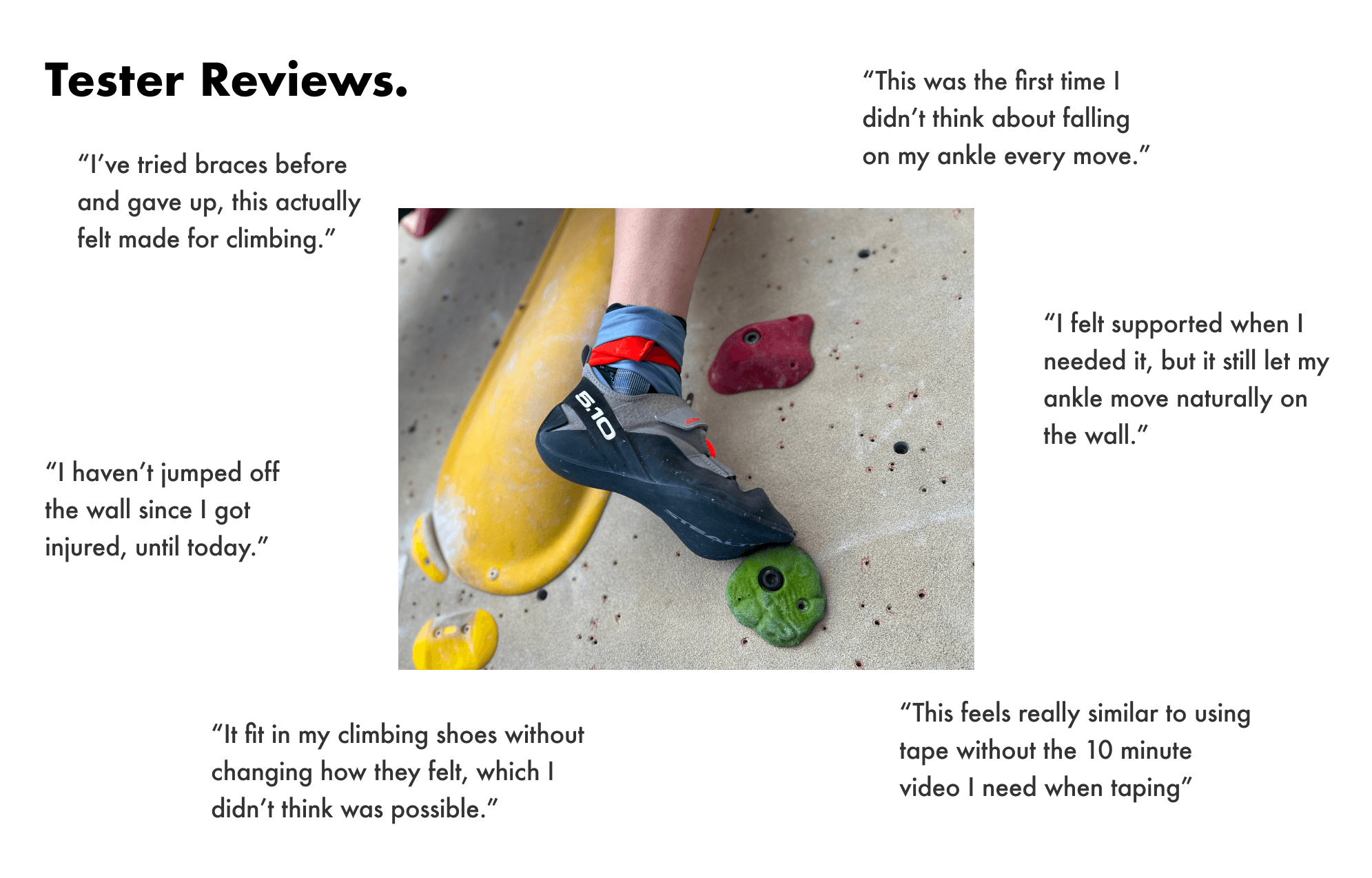
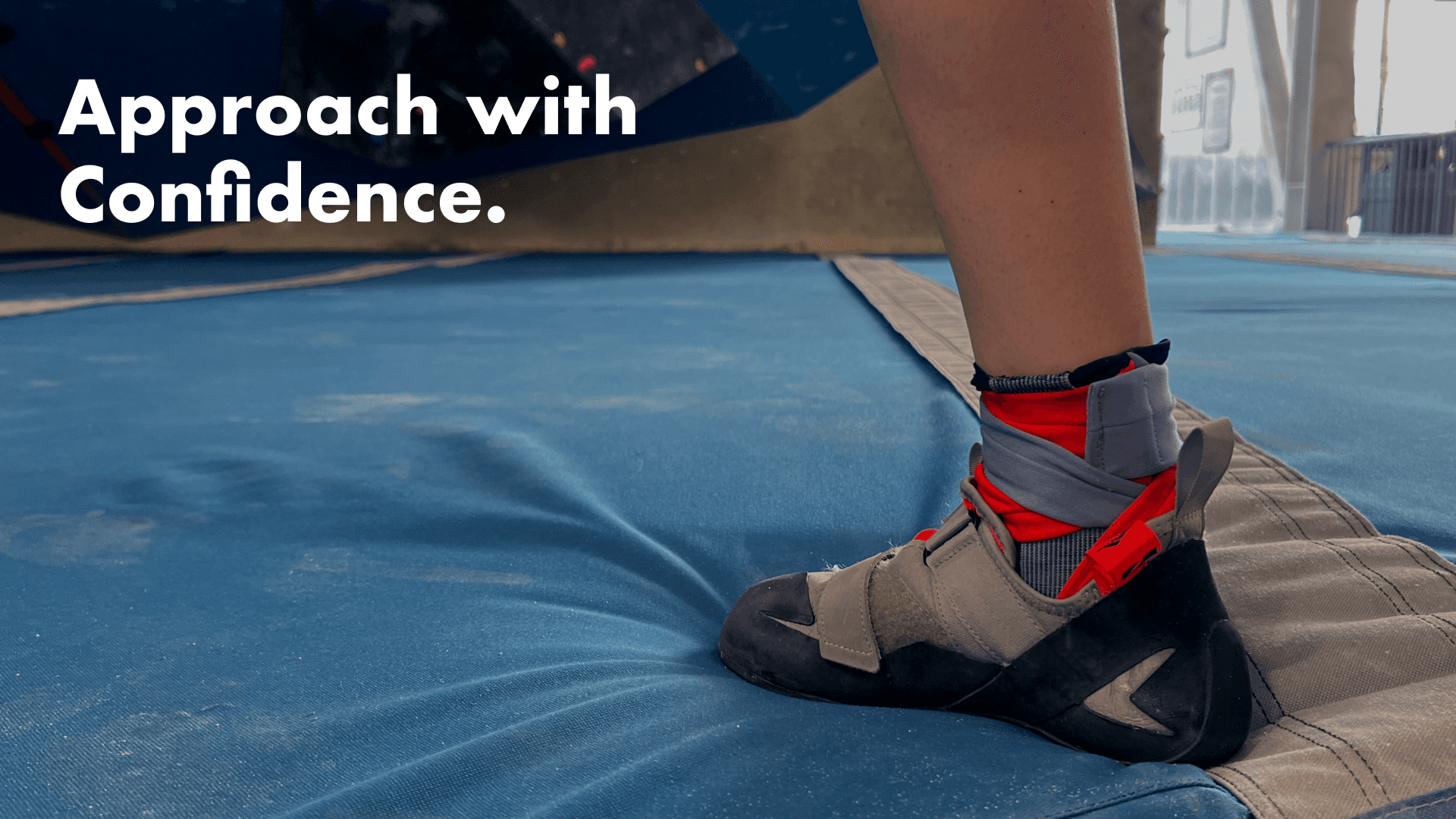
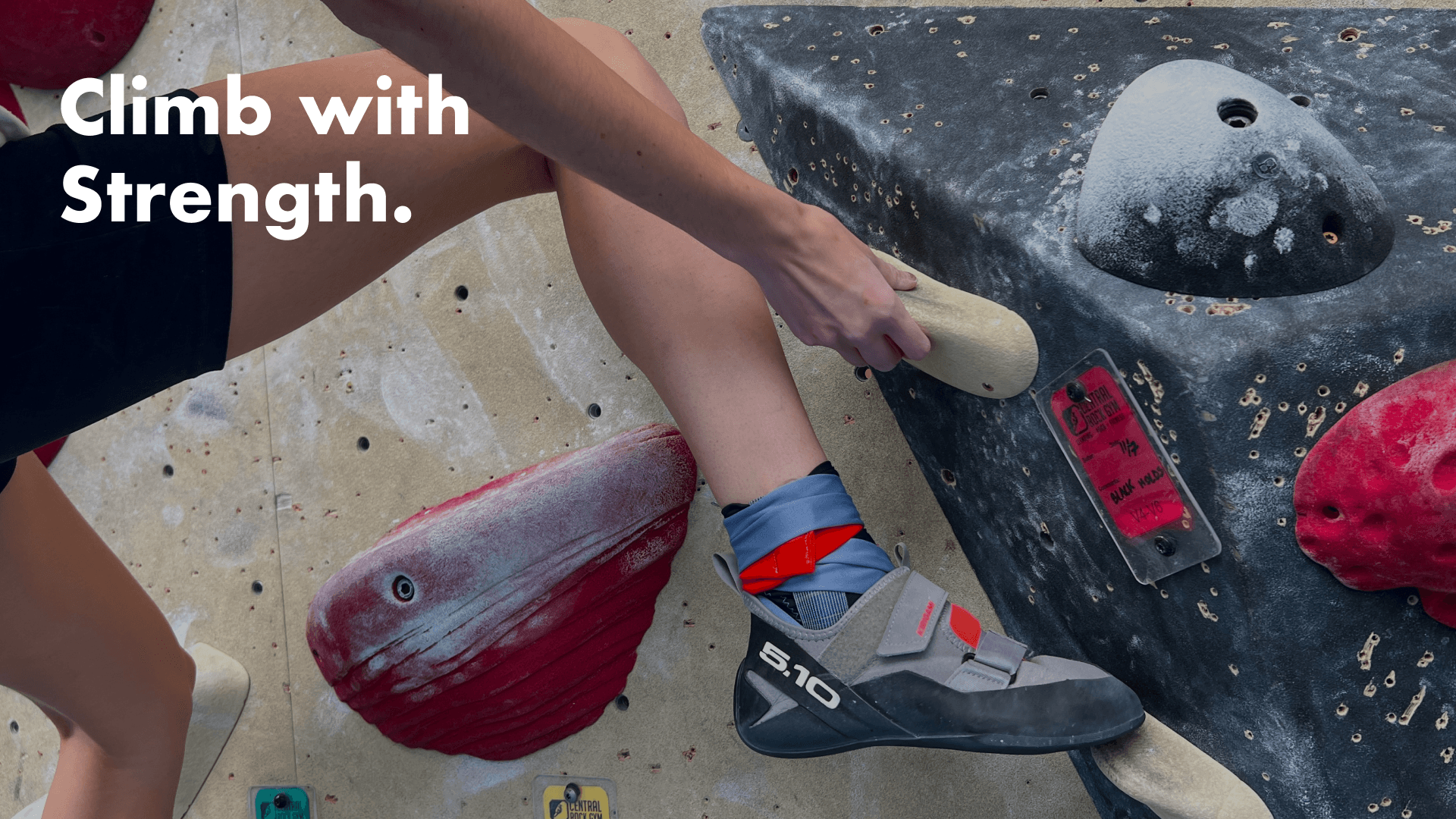
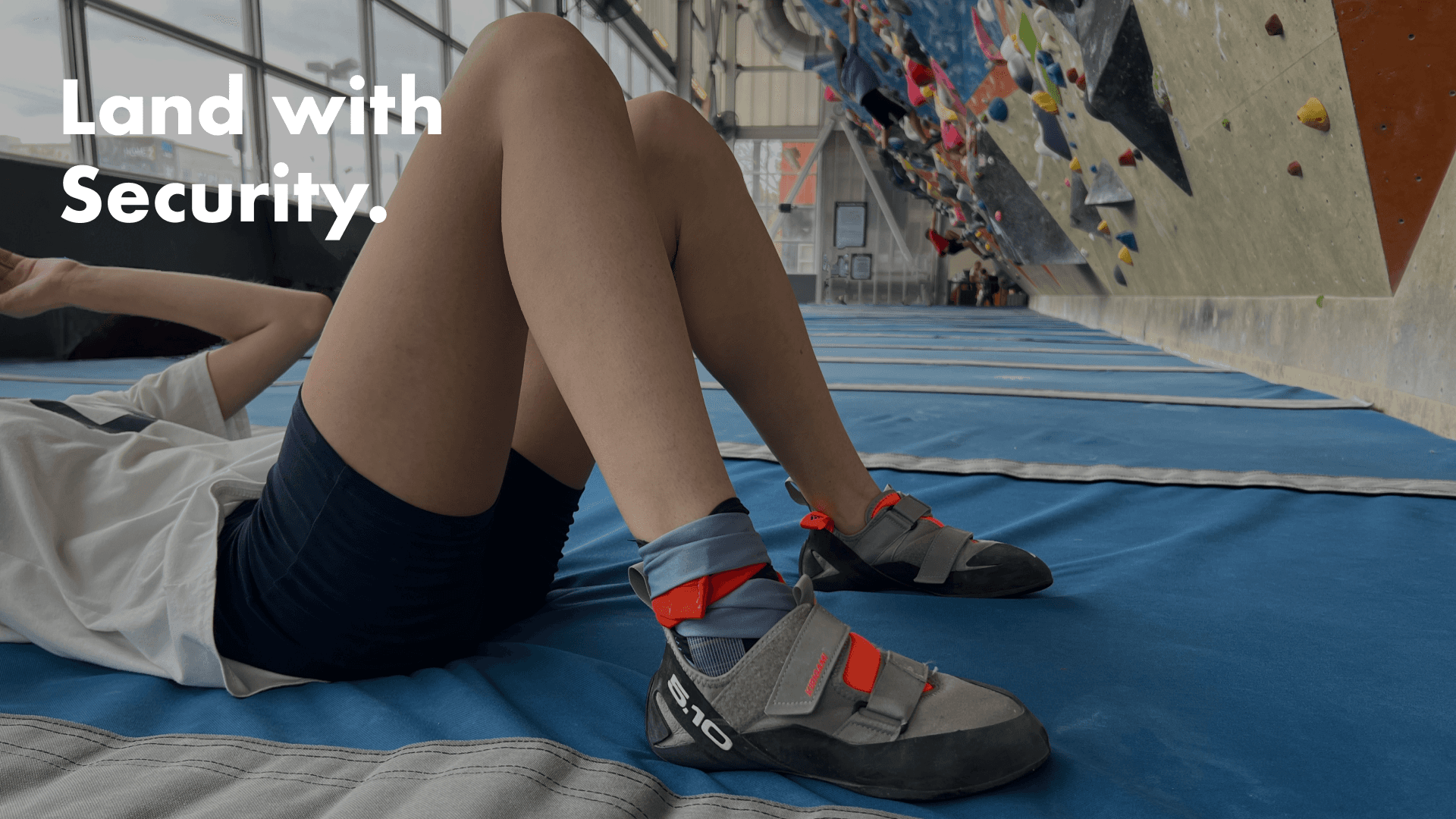
Given that standard ankle braces don’t fit in rock climbing shoes, how might we design a brace to support reentry to rock climbing, both physically and mentally, after an ankle injury?
Given that standard ankle braces don’t fit in rock climbing shoes, how might we design a brace to support reentry to rock climbing, both physically and mentally, after an ankle injury?
Given that standard ankle braces don’t fit in rock climbing shoes, how might we design a brace to support reentry to rock climbing, both physically and mentally, after an ankle injury?
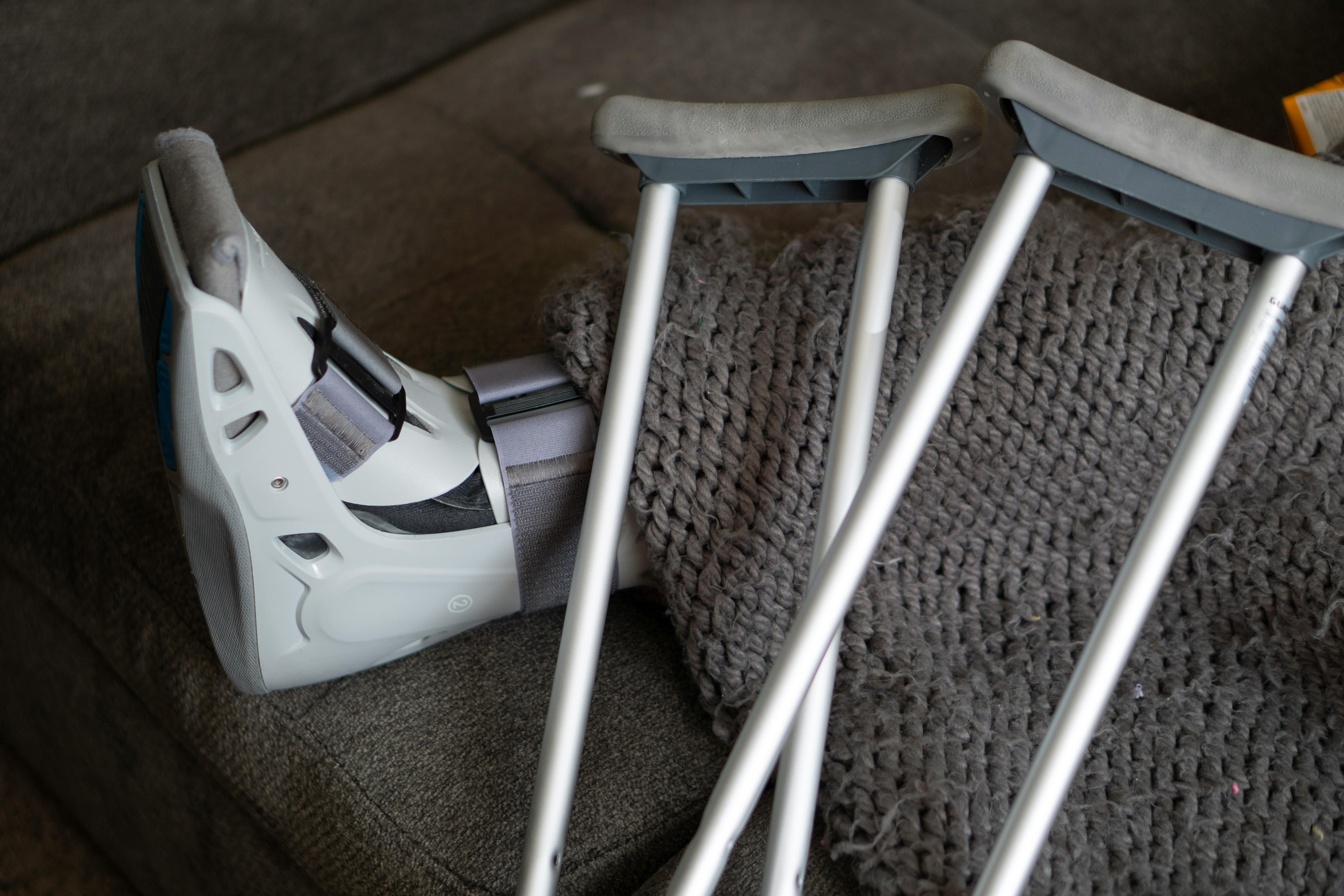
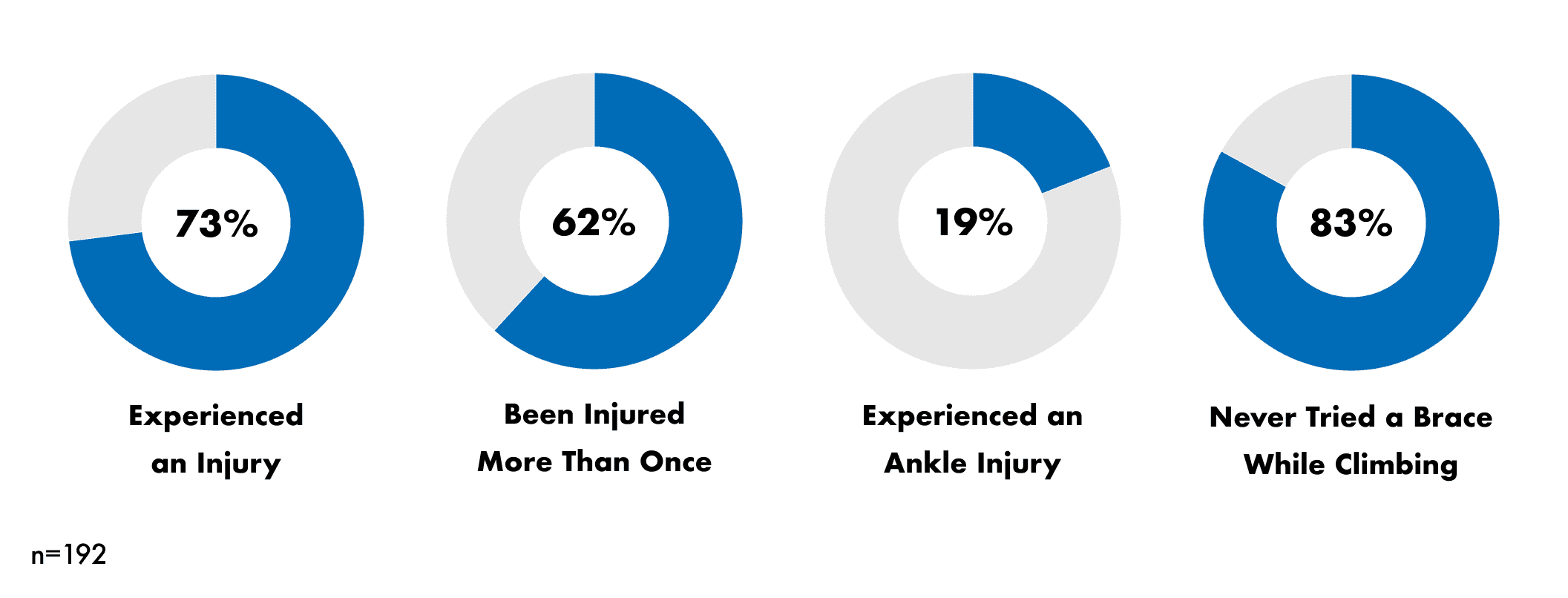
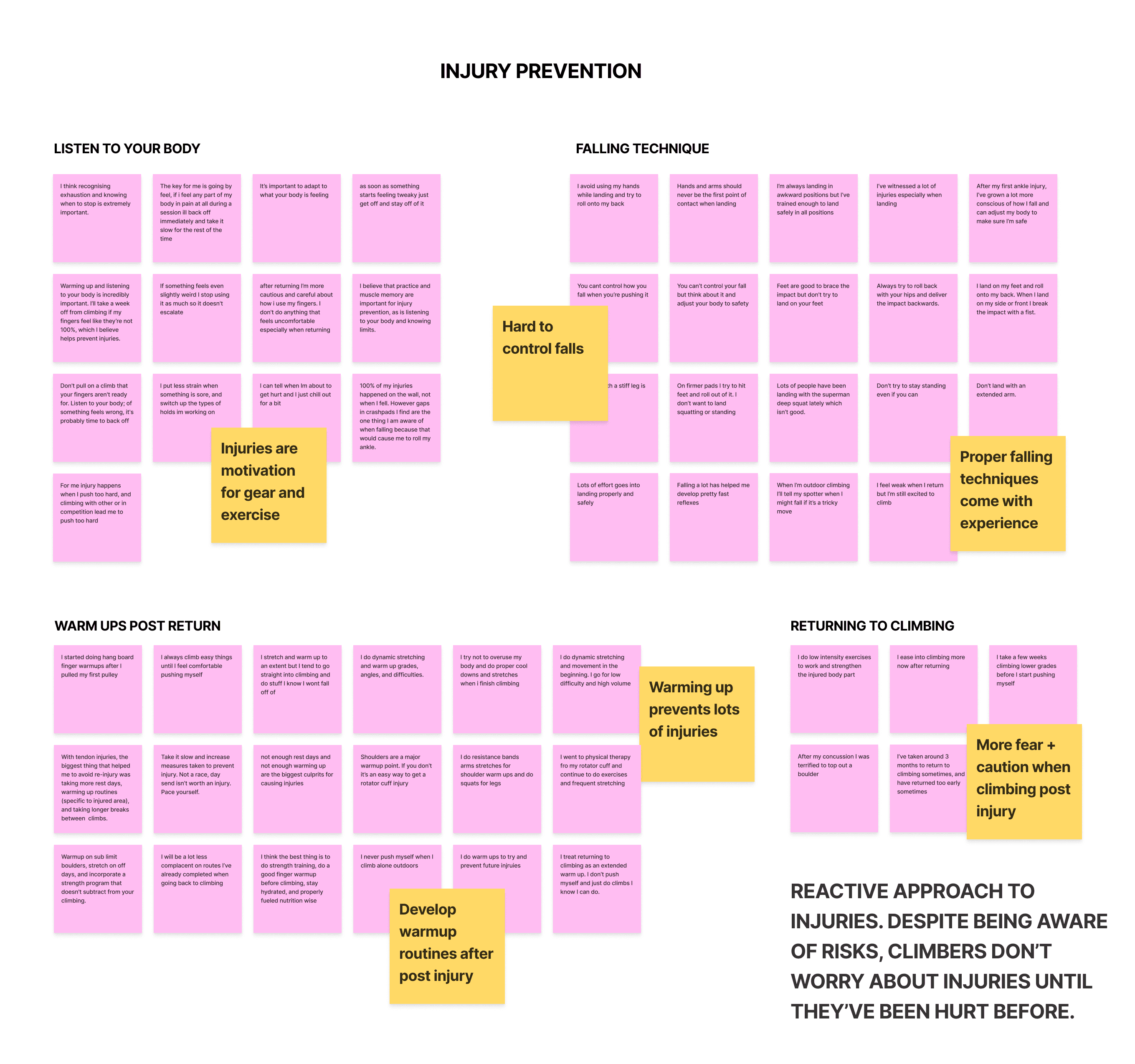
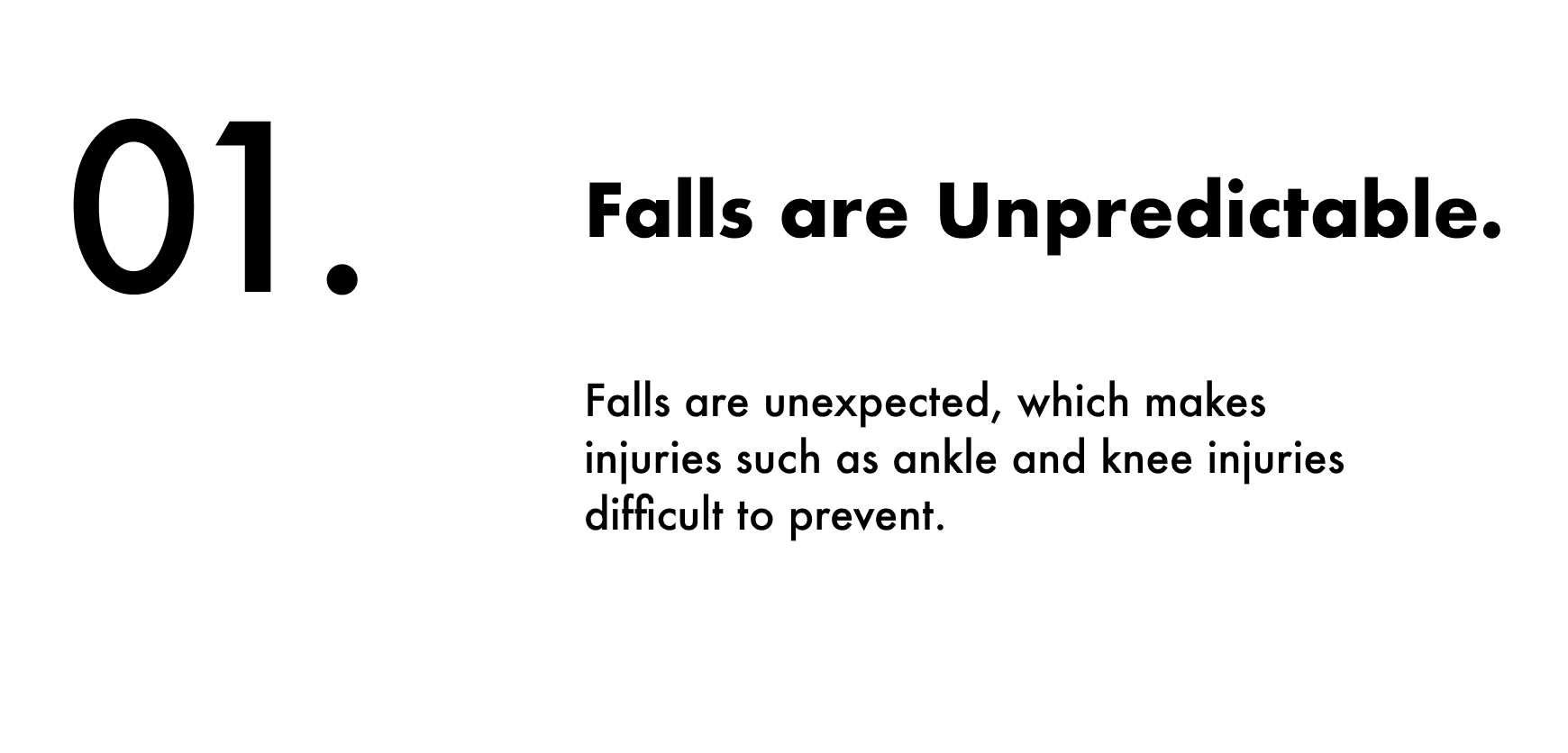
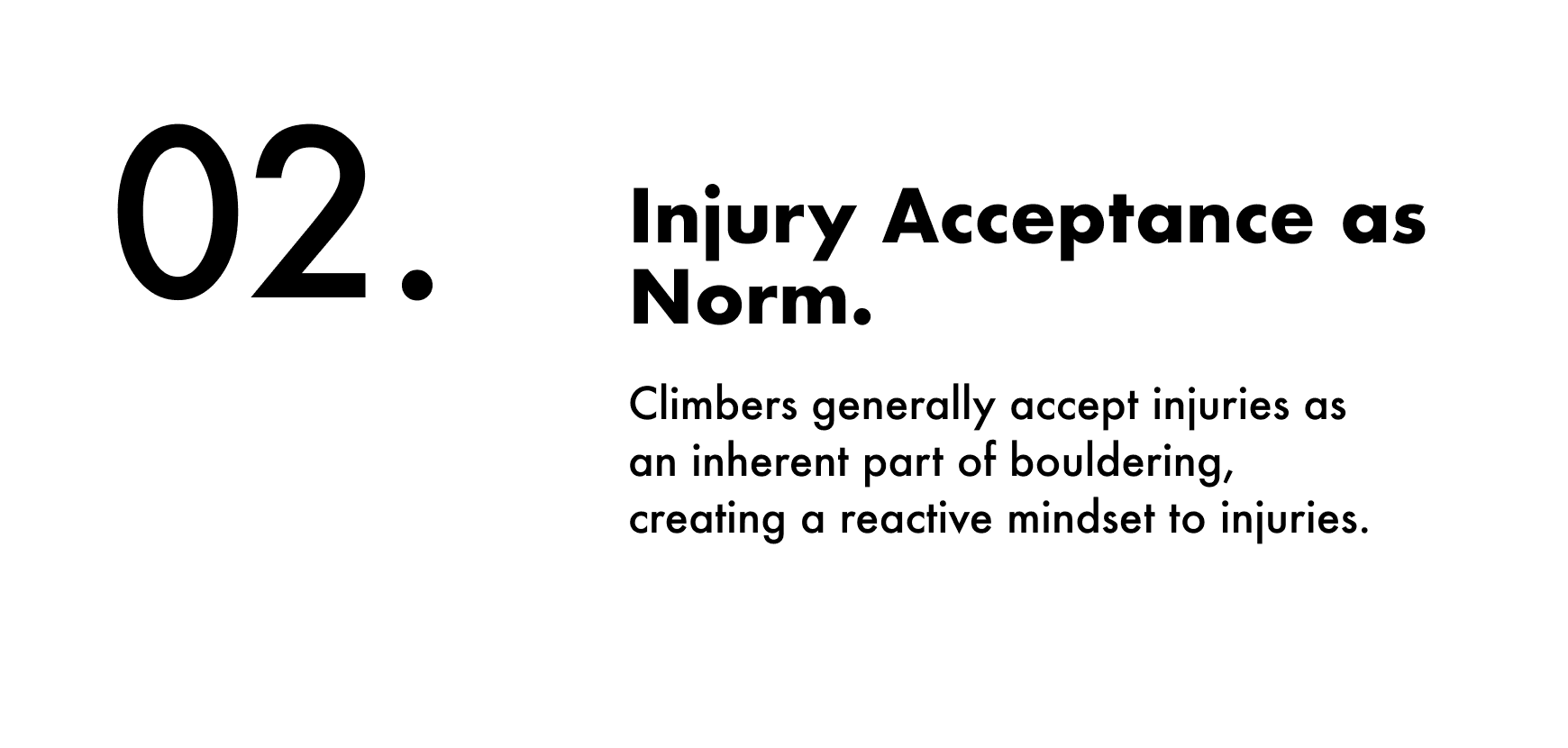
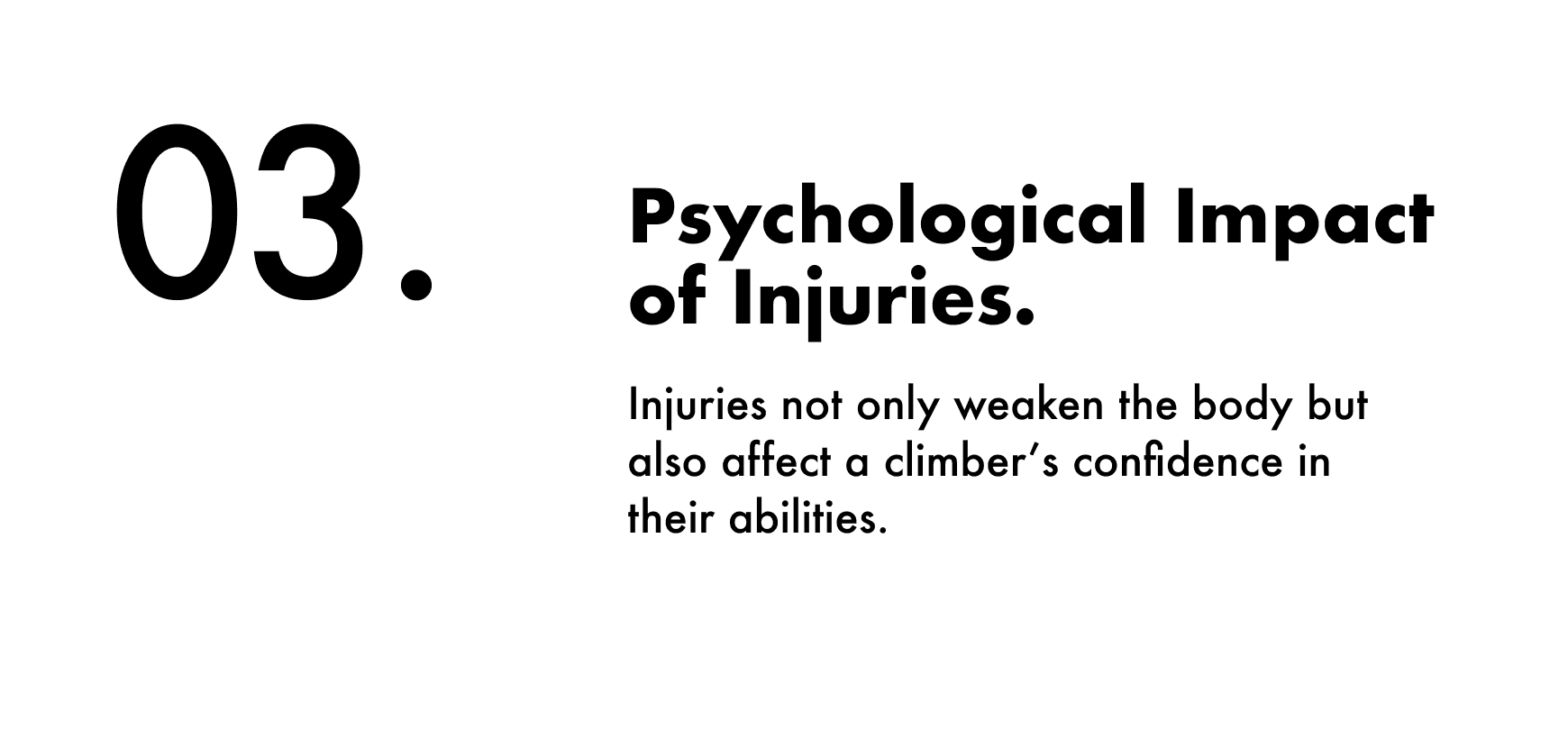
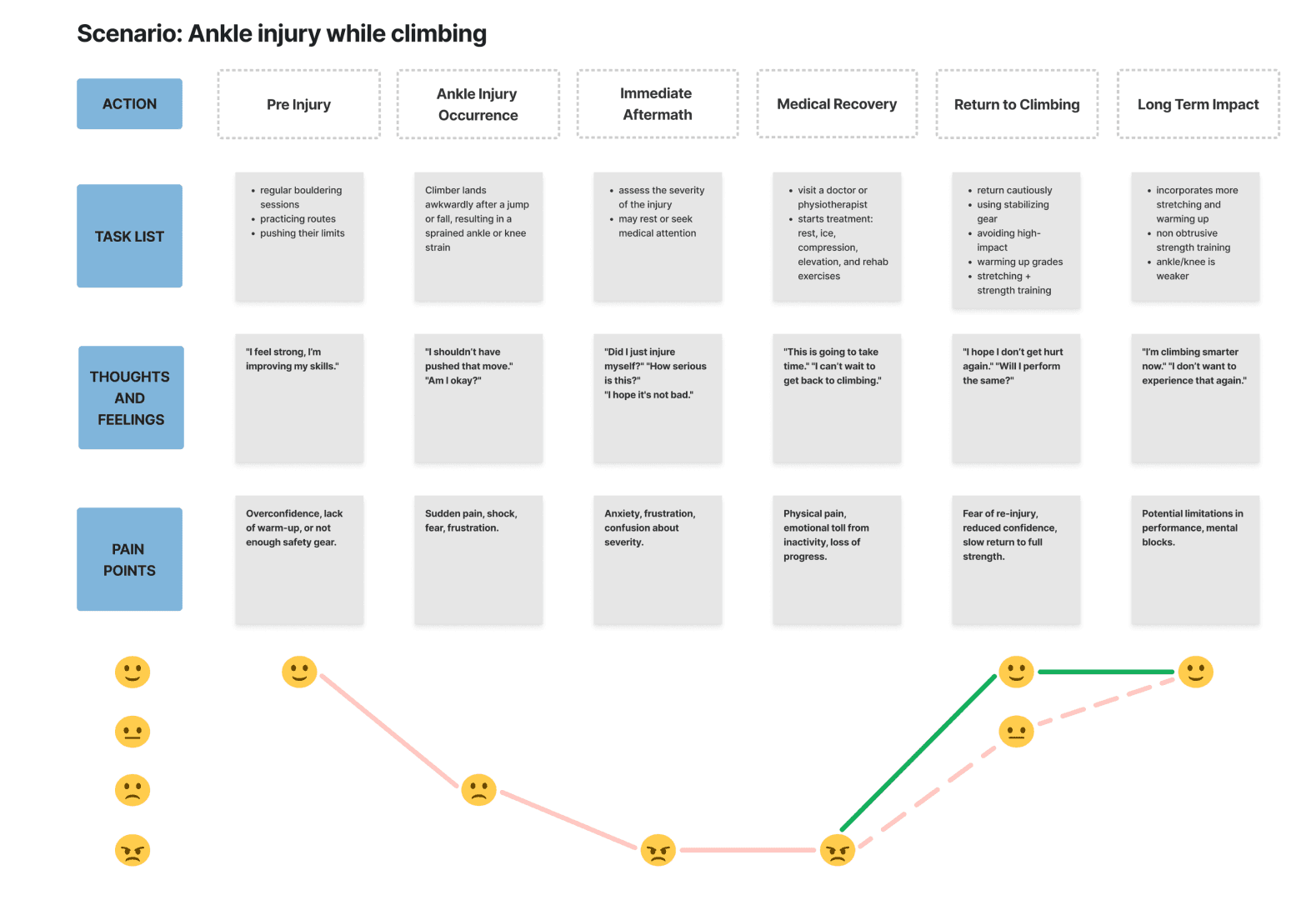
Bouldering falls result in sprains, fractures, and torn tendons and ligaments in knees and ankles, which affects 20% of climbers. These injuries can take months to heal and keep athletes out of their sport. When returning, the affected body part is much weaker and more prone to injury.
By designing climbing specific solutions, how might we prevent injury and keep climbers on the wall?
Bouldering falls result in sprains, fractures, and torn tendons and ligaments in knees and ankles, which affects 20% of climbers. These injuries can take months to heal and keep athletes out of their sport. When returning, the affected body part is much weaker and more prone to injury.
By designing climbing specific solutions, how might we prevent injury and keep climbers on the wall?
Bouldering falls result in sprains, fractures, and torn tendons and ligaments in knees and ankles, which affects 20% of climbers. These injuries can take months to heal and keep athletes out of their sport. When returning, the affected body part is much weaker and more prone to injury.
By designing climbing specific solutions, how might we prevent injury and keep climbers on the wall?